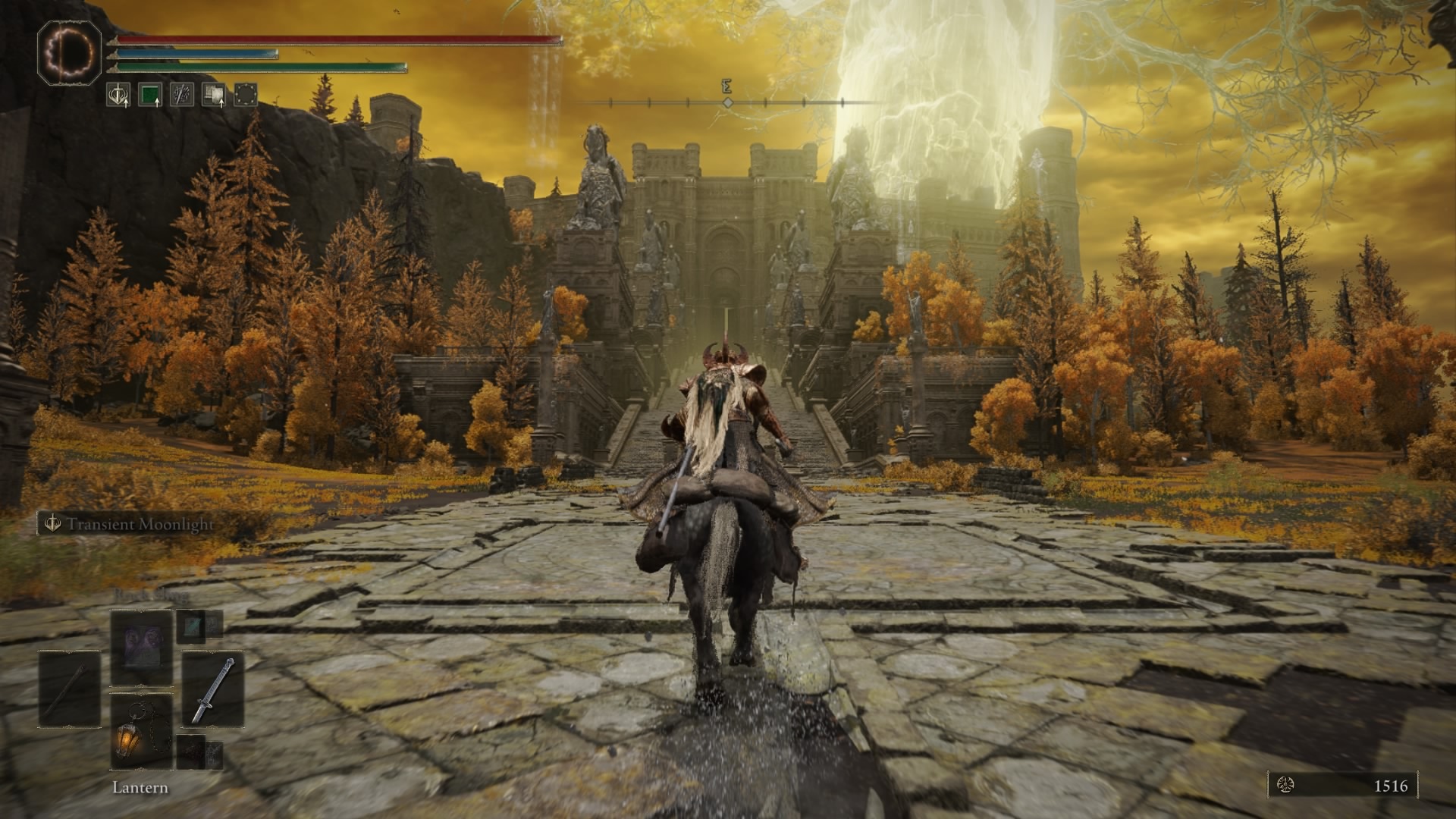
Gaming and anthropology are topics I never thought could have an intersection. However, reading various research work within the anthropology space, focused solely on gaming gave me the motivation to explore various other possible topics. The topics include certain aspects, features or even genres of games that have a subsequent discussion in the wider anthropological discourse. This is neither a review of certain games nor a commentary on specific anthropological research but more of a casual and freeform discussion of how we experience certain games and our real world, out of game understanding of those aspects.
One such aspect is the idea of death and resurrection. Games do this a lot, your character dies, they can revive, or the game reloads to a point before death. Some games, those that I will explore in this article use death and resurrection as a foundational gameplay element. I want to draw comparisons to how death and resurrection is perceived by various cultures and societies. By doing so, I want to highlight how video game experiences draw comparisons to real world beliefs and rituals. While our actions have reactions and/or consequences in the real world, they may have different outcomes in a game. I want you to explore this with me.
Different genres doing it differently.
Gaming. This word never struck me as a hobby when I was but a wee lad. Sony’s PlayStation 1 was the buzz back then apparently and I was unaware of its existence. During a visit to friend’s house, they introduced me to the PS1 and how it works by placing a CD in a dedicated slot and behold, the game boots up. This is my flashback moment when someone asks how I got into gaming, or what my first gaming system was.
Going forward, I tried a lot of games and did not care about the genre. An attractive cover picture of the game was enough to convince me to give it a shot. Jumping through various titles and being an avid gamer all through high school and exploring games like Assassins creed and GTA, I realized there are so many other genre’s that games are divided into. There is a whole section of games dedicated to budget friendly titles that are made by studios with few (sometimes 1) developers who pour their passion into an idea that is unique. It is this uniqueness that sets it apart from the giant mega corporation funded AAA (or as Ubisoft likes to call them, AAAA) games that are powered by the fanciest technology of that time.
Death and resurrection always remind of me of two of my favourite genres, rogue-likes/lites and souls-likes. Dying and reviving is a significant part of games that fall into either of these genres and present different outcomes once your character dies. By exploring both, I want to dive into how dying in these games presents as an opportunity to adapt your playstyle while progressing towards completion. Essentially, death can either be rewarding or a learning experience in such games. This is what lit a tiny little light bulb in my head and gave me the urge to compare this aspect of the genre to real world experiences around death and resurrection. Before I get into that, let’s talk some games.
Death and resurrection the rogue-like/lite way
Rogue-like
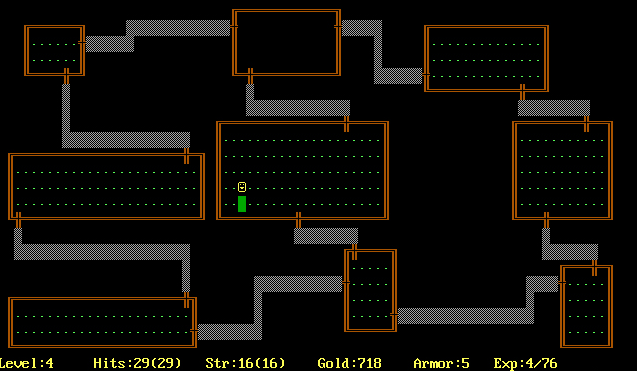
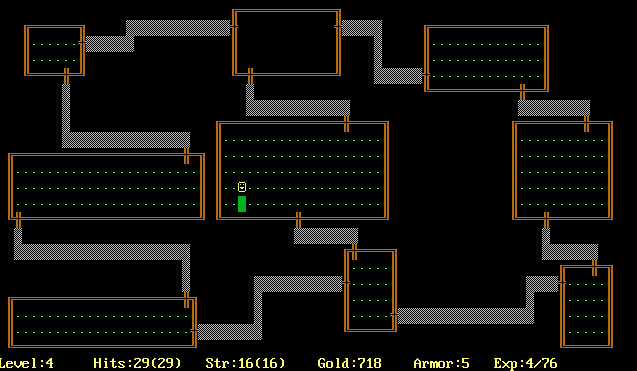
Released in 1980 (yeah, that far back), Rogue was a game designed to have a player explore dungeons. Developed by Michael Toy and Glenn Wichman (Brewer, 20171), the game uses procedural generation as a technique to create these dungeons. This technique created randomized levels and items to be found, keeping every attempt at completing the game fresh (Brewer, 2017). This approach also highlights a foundational aspect of this genre, replay ability. In rogue, players must restart the game each time they die, no matter how far they get. This means the ability to retry a game constantly, keeping it engaging for the player to keep coming back (unless you are a genius and beat the game in one try) becomes important (Brewer, 2017). This gave players a chance to try a different strategy and learn from mistakes (Ahn, 20162). It’s like being stuck in a time loop until you defeat the final boss (Dormammu! I’ve come to bargain). That Doctor Strange reference is the very reason a game like Rogue seems very attractive and a fun way to play a game. Now you can see why this genre is called “Rogue-like”. Fast forwarding from the 1980s, various games existed that used elements from Rogue to put their own spin on it and contribute to the growth of this genre. Such a proud moment it must be to have a whole genre named after one game, and the games that came after innovated and added different mechanics that made use of Rogue’s foundational gameplay style with a different sense of progression in the game. This is where the “Rogue-lite” genre comes in.
Rogue-lite
Think Rogue, but lighter? Lite? How does that work? I’ll start by saying, you die and restart in both the genres (😊). Think of rogue-lite as a subgenre of rogue-like. While procedural generation, permanent death, managing your resources (using items you gain wisely to not lose them upon death), either turn based or hack and slash combat and of course, your ability to adapt and learn are specifics aspects of the rogue-like genre (Grieve and Peterson 20253), rogue-lite games may only utilize some of these elements while introducing new ones. Remember, you do still die and restart though (not escaping Dormammu that easily) but, for example, you may retain some special items and resources which can help your character grow stronger and try again.
I have played several games that fit into these genres. It felt daunting to me initially, dying constantly, trying again and failing to proceed further. But there’s a significant sense of satisfaction when you do progress just a little further. That is a sure shot way to prove to yourself that you have gotten better. I personally have felt this way, took a lot of time though but I did.
Death leading to rewards? While that’s a promising way to get players a sense of satisfaction, progression and a means to be rewarded, another genre I wish to discuss here makes death and resurrection a lot more daunting but equally rewarding in its own twisted way.
Death and resurrection the souls-like way
The souls-like genre has a very interesting origin story. Just like the rogue genre, souls-like started with a game with that did gameplay and lore differently than existing games at that time. In 2009, we got Demon souls developed by FromSoftware, a game looking to shift the tides in how people approach a video game and its objectives. Games can be challenging in some shape or form, but what if the whole game is built around being as challenging as possible?
The idea was for the game to be high risk and high reward. Yeah, you still get a sense of achievement but getting to that point took work and patience. Demon souls (which also has a PS5 remake that looks gorgeous) released in 2009 with the aim to shake things up in the action and RPG space of games. Bycer (2024)4 phrases “reflex-driven” as attribute of the genre which I feel befits souls-likes in general. The crux of the game is its ability to steer the player into situations needing quick decision making, and they’re most ubiquitous in the various combat scenarios. So, what was demon souls like (get it?) to play on a daily basis?
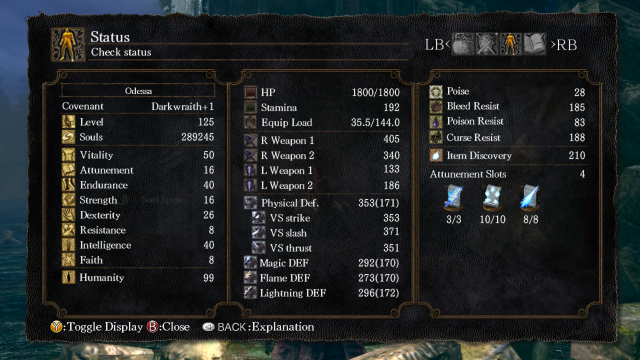
Death, over and over, that’s demon souls and every other game in the genre. You see, the systems the game introduces to you are done in a minimalist fashion. There is a story, a dark fantasy medieval setting to dive into and various weapons and characters to choose from. But the game just begins after a short cutscene. You make a character that has various attributes (strength, dexterity, endurance etc.) and you assign points to them as you level up. Each weapon works differently requiring different attributes to make them efficient. The heavier armor you wear, the slower you move and dodge and vice versa, which also applies to weapons. The attributes help negate that which adds to the efficiency of the armor and weapons you choose. The enemies on the other hand are ruthless and relentless in their attacks. Down from the basic enemies to the bosses, each have a pattern and present various opportunities to attack them at different times. At the beginning it seems the game works against your every move, there’s frustration and as mentioned, constant death. Even navigating levels may have you walking through traps, falling into traps floors or like one time with me, getting crushed by a random rolling boulder (in one of the follow up games to demon souls).
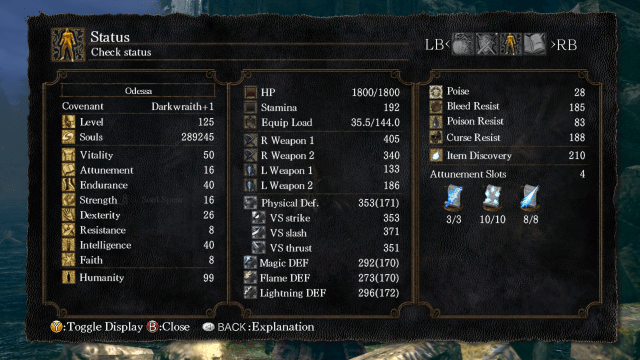
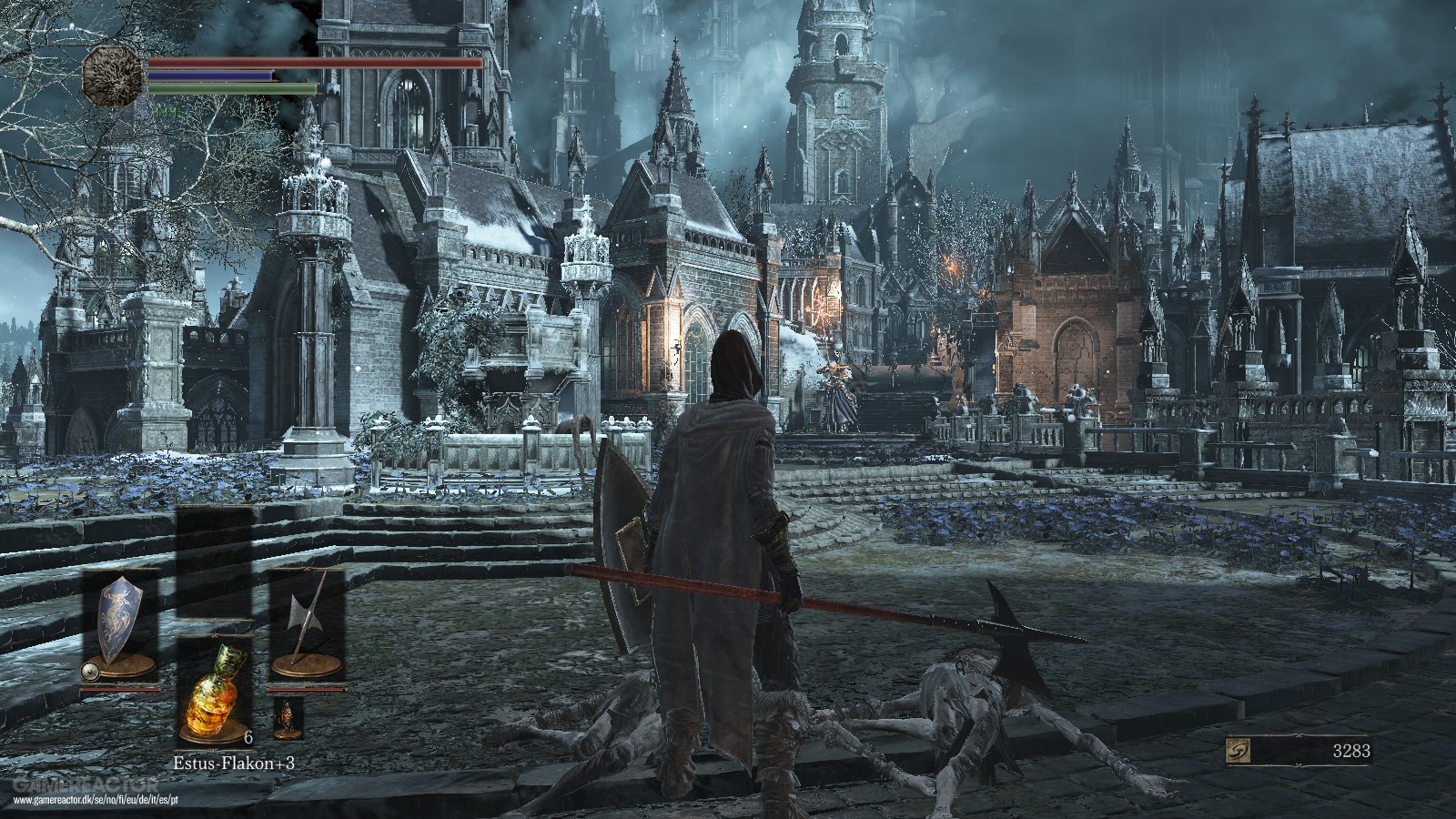
Death also comes at a cost. Killing enemies gives you experience points that you use to level up your attributes but also acts as currency to buy shiny new stuff. You lose them on death (bummer). Some souls games also make it so that you lose a chunk of your health permanently and only a special item can get it back (brutal). You do however get an opportunity to earn your experience points back once, and if you die before reacquiring them, they are lost forever. The silver lining? You resurrect back to these bonfires you find throughout the game. The last one you find is where you spawn back and they allow you to rest and regain some health. Easy? Well about that. All enemies except bosses that you killed spawn back too. You kill a bunch of annoying enemies, and you must do it all over again just because you chose to rest? Just get good as they say.

This style of gameplay then was adopted to sequels with the dark souls series of games by the same developer. It also spawned various other games of the same type from other teams putting their own spin on this genre. Rightfully so, the souls-like genre grew in popularity and recognition. Just like rogue-likes/lites, souls-likes games became a genre because of the popularity of a few specific game mechanics. While the games may seem difficult, challenging and sometimes unfair, it’s the constant opportunity the game presents the player with to try and get better. The game doesn’t just progress when you kill a bunch of enemies, those bunch of enemies respawn and give you a chance to really feel how strong you have become, a chance to get stronger. Eventually, you figure out boss fights, find that weapon that clicks, heck even a specific game that has just the right mechanics which pull you into the souls-like genre. You like Star Wars? The Jedi fallen order and Jedi survivor games meticulously merge souls-like mechanics with Star Wars lore (they do let you tweak the difficulty which many souls-likes don’t). Games that are more futuristic (The surge series) or platformers (Dead cells), this genre offers a lot of choices if you have the urge to really master a game and feel a sense of satisfaction. Yeah, just try not to break your controller or keyboard when you lose to a boss fight. Or do what I do, keep another chill and relaxing story driven game or a racing game installed and unwind with that every time you feel frustrated with a souls-like game. Works like a charm.
How I fell into the death and resurrection cycle
Me and rogue-lites
Hades
My first encounter of such a game came in the form Hades, a game which when I bought it was in an early access beta stage. The game wasn’t complete, but it was playable while the developers gathered feedback and opinions from the players. Hades was a game played from an isometric perspective, think like being a god and looking down on humans or when you’re in a stadium and way high up in the stands looking at the players. Hades was a surprise and had various aspects that gave me the itch to constantly play. What was the hook, the x factor that made it happen?
The developers (Supergiant games) were known at this point to make games with a mesmerizing art style. The character designs, clever use of colours immediately drew me in. The game itself was inspired by Greek mythology. Gameplay was also quick with various weapon choices and flashy fight animations. But the most unique aspect of Hades was its story telling. The geniuses at supergiant games tied the foundations of a rogue-lite game (dying, retaining useful items and getting stronger for the next attempt) with story progression. Every time you die in Hades, the story moves forward, sometimes in the slightest of ways if you happen to die too quickly. There is always a new dialogue or some item to be unlocked upon death, making death, dare I say, a fun mechanic.
The artwork in the game, the voice acting constantly made it fun to keep trying and getting better at the game. Looking forward to playing an indie game every day was a new feeling for me. My radar for new games was always fixated on the big budget titles with their fancy technology and graphics engines. Yes, they did their job well with the marketing, but Hades was different. The hook for that game was not next-generation breakthrough in graphics or hyper reality, but it’s strength in innovation where it truly matters. The game was rewarding even with a little bit of progress; it was a gift that kept on giving and that made me want more gifts, more games like Hades.
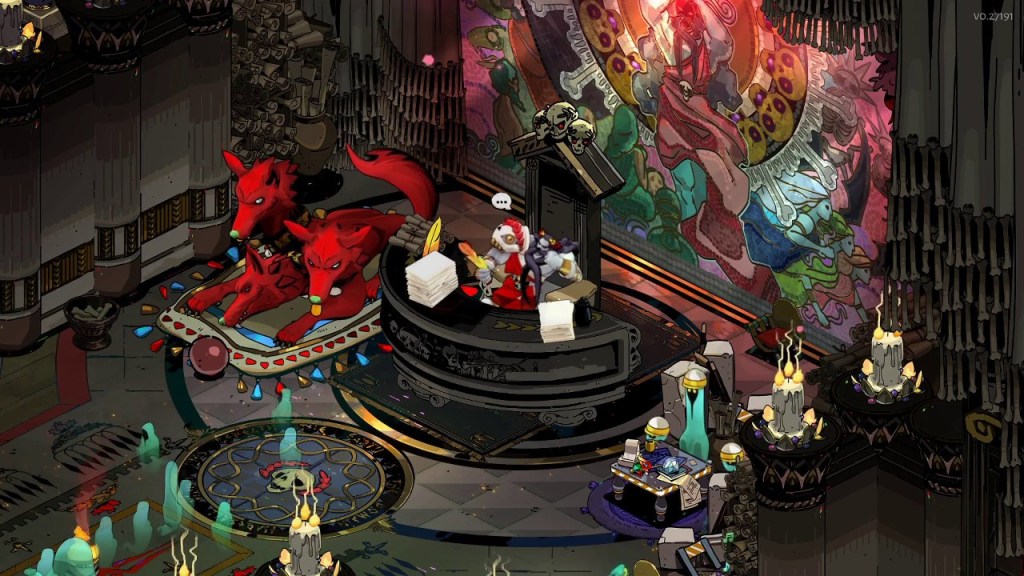
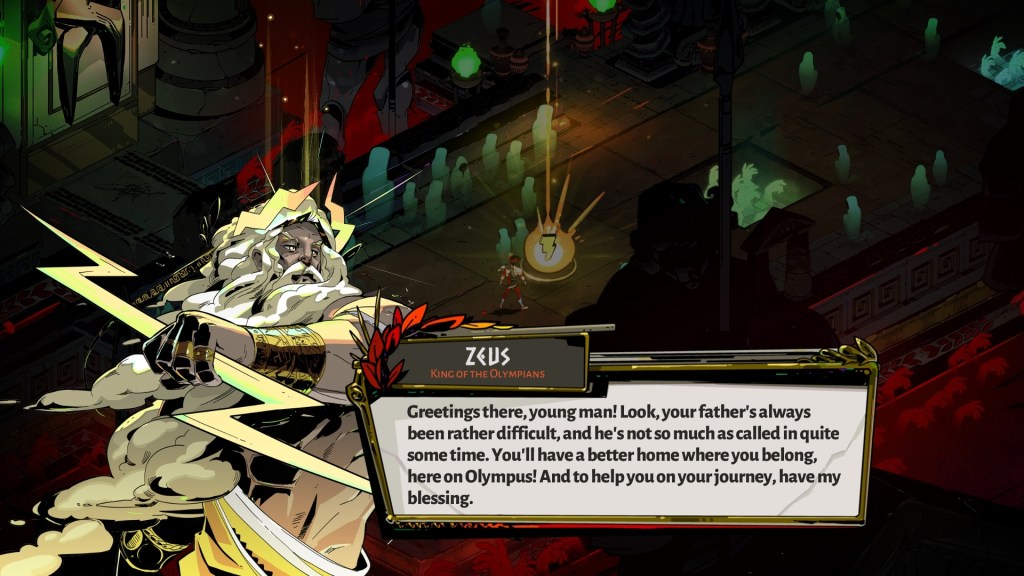
This led me to discover more games like this and opened a whole new space and genre for me to discover. It also made me more aware and anxious to try out other indie made games, especially in the rogue-like/lite genre. I wanted to keep dying and resurrecting in new ways (don’t say that in public) and explore how other games make use of the rogue-like/lite mechanics.
Curse of the dead gods
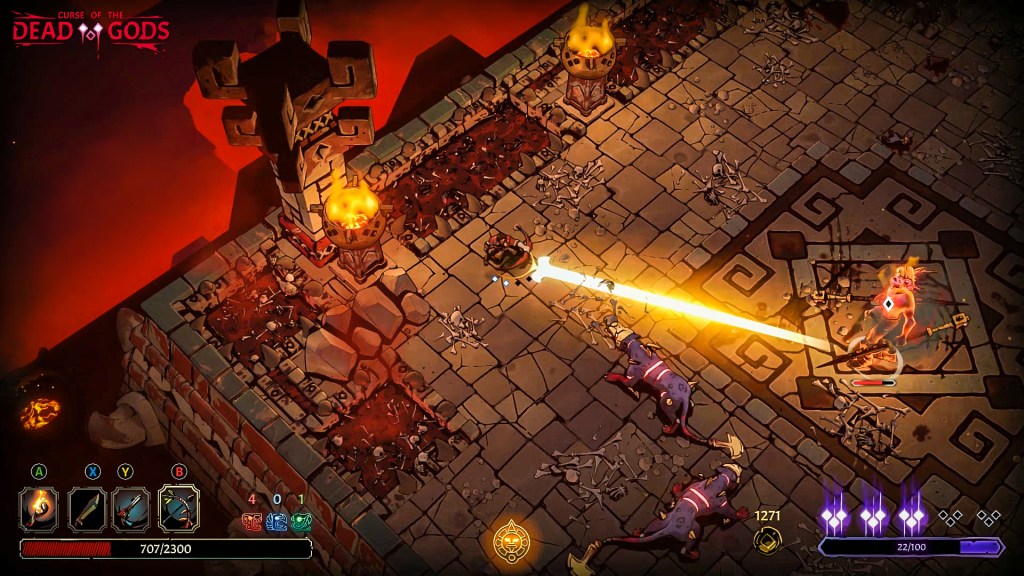
Curse of the dead gods is another game that I played immediately after Hades. There was an immediate sense of excitement when I saw this game announced, a game that took inspiration from Hades in some respects and tried something new alongside. Hades did a great job at storytelling, which was a bit light in curse of the dead gods, But the lack of storytelling was accompanied by great combat and vibrant visuals. It was challenging and made you think of your next step carefully. But it did what Hades did too, reward you in some way. Slowly the pandoras box of games such as these opened for me. More and more games flew quickly towards my radar, and I found even more ways to die and resurrect (never getting tired of saying that).
Balatro
Another significant one is Balatro. Ever thought poker could be a rogue-like? Solo developer LocalThunk did so. A masterful blend of classic Texas hold’em rules with the main gameplay loop surrounding different jokers that reward you with power ups. You simply play poker hands from your shuffled hand and try to achieve a target score. Better the hand better the score. You have limited cards and limited attempts to switch cards. With limited tries you try to progress to a boss level which has certain powers to power you down (lower your overall score, inability to score with certain card types etc.). The more you progress you get a chance to buy more special cards that can score higher and items that increase your score if a certain hand is played. The various jokers however provide special powers that enhance your game. This is the sort of uniqueness that draws my attention.
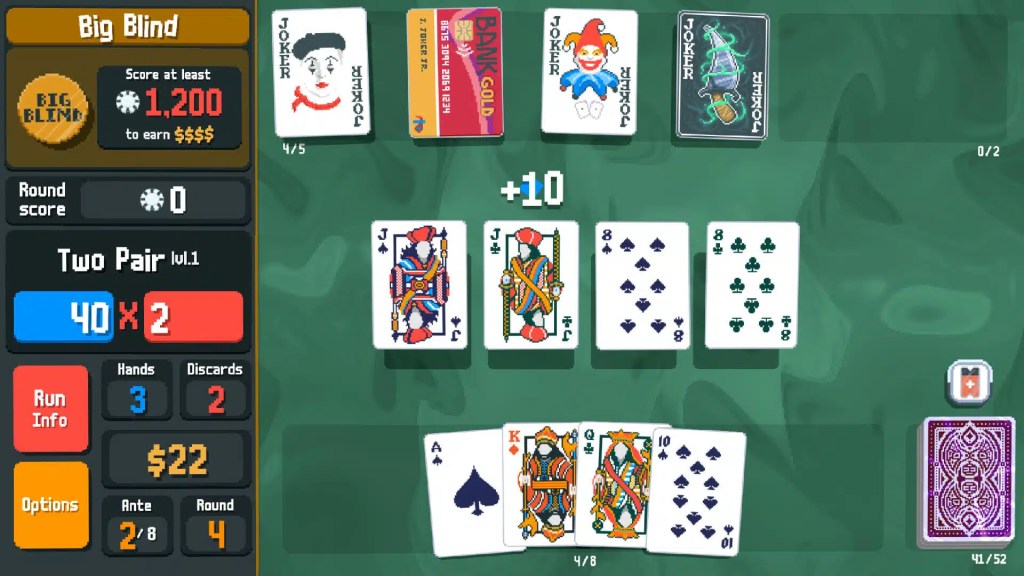
This made rogue-lite, featuring the reset aspect from rogue-like blended with a sense of progression while giving the player a chance to be stronger, one of my favourite ways to play a game. You see, when one gameplay element becomes so much fun, it always feels exciting when a new game has such an element in it as well. The idea of succeeding or die trying made me instantly want to try more of these games. It’s no more “Ah I died this sucks”, but more like “Ah I died, what did I get? Can I unlock something new?” Death is suddenly rewarding; there’s now an expectation to get something out of your death in the game. In a rogue-lite game, dying is no more an indication of failure but also the means to get rewarded.
Me and souls-likes
I never imagined myself playing a game where I die a lot and continue trying, knowing I might die again soon after. The constant death and then one fine day actually progressing further and not dying felt rewarding enough to try and complete the game. However, it did not appeal to me at first.
I like a good medieval fantasy game. Swords and shields, mythical creatures and huge castles off in the distance. Games like Demon souls and dark souls did have all that in some shape or form. But I chose to live vicariously through other content creators and experience souls-like games through live streams and YouTube videos. It’s more fun to watch someone suffer in a challenging than to play it right? Yeah sure, clips of someone falling to their death after defeating a tough boss can never get old. But there are so many random instances, unintended deaths and unplanned victories to experience in a souls-like and I finally wanted to be a part of it. Although I was a bit late to the souls-like party I wanted to at least try and find a game I can, as the cool kids would say, “vibe” with.
Dark souls
I started with the OG ones available to me at that time which were the dark souls games. The more I progressed, the more I wanted to try something else. The sense of achievement was always there but I loved a good story and narrative which wasn’t present in the traditional way that games tell a story. The surge was another souls –like I gave a shot which had the same issue for me, no narrative driven objectives or cutscenes. You know when you really want to like something, but it feels off? That was me with souls-like games. But I did eventually find one that clicked, and oh it clicked like two Lego pieces.

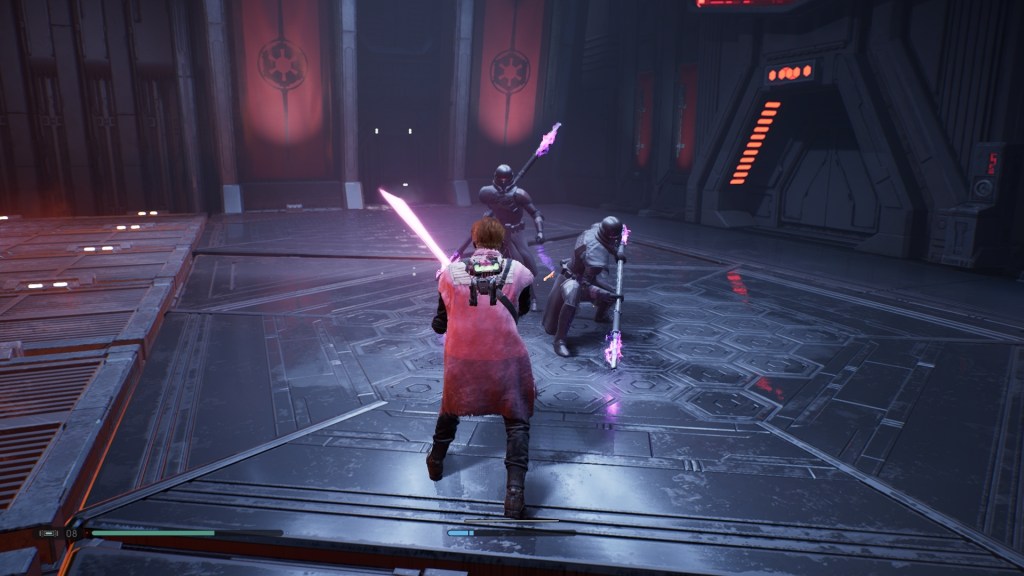
Star Wars Jedi: Fallen order
Star Wars, a franchise I loved watching and to this day enjoy just thinking about. EA published and Respawn developed Star Wars Jedi: Fallen order quickly flew right into my radar. A game with souls-like combat, a narrative and LIGHTSABERS? Count me in. Unlike other souls-likes, this game also had a difficulty adjustment for things like oncoming enemy damage, how quickly or slowly you need to react for a parry and your damage output. But it was structured with the same challenge as souls-likes but with a Star Wars story. This combination did something which I will always appreciate. The narrative helped me experience the challenge and boosted my sense of achievement each time I defeated a tough enemy. While I did finish the game, I now wanted more of that challenging combat and an immersive world to dive into. I finally understood and felt the sense of accomplishment of finishing a souls-like game and wanted to more. Go back to older souls-likes? I thought about it, but the Jedi game introduced additional mechanics that I knew I would miss and eventually may abandon the older souls-likes. I looked for newer experiences. I did my best to find a game to dive into and stumbled upon Elden ring.
Elden ring
Elden ring was a game by FromSoftware and an evolution of their souls-like pedigree. Remember, these guys started it all with demon souls. While they did have games that shifted the genre in their own way (Bloodborne and Sekiro: Shadows die twice) which introduced new combat and parry mechanics, Elden ring merged them all, gave us a medieval fantasy setting and added new goodies for us players to use. This was exactly what I wanted. An open world souls-like game, which did have the usual passive way of storytelling, but in a world that sparked curiosity and encouraged exploration at one’s own pace. This fixed my need for a story in souls-like game to a certain degree. Interesting dialogue and a beautifully designed open world were enough that I felt right at home with this game. Also, I love open world games in general so there I was anxious to play the game and experience death repeatedly. Why was it so much fun to just keep dying in ridiculous ways? For the Jedi game there was a story to complete and look forward to, Elden ring still used passive story telling like older souls games yet it felt intriguing enough to continue playing. Credit goes to the open world.
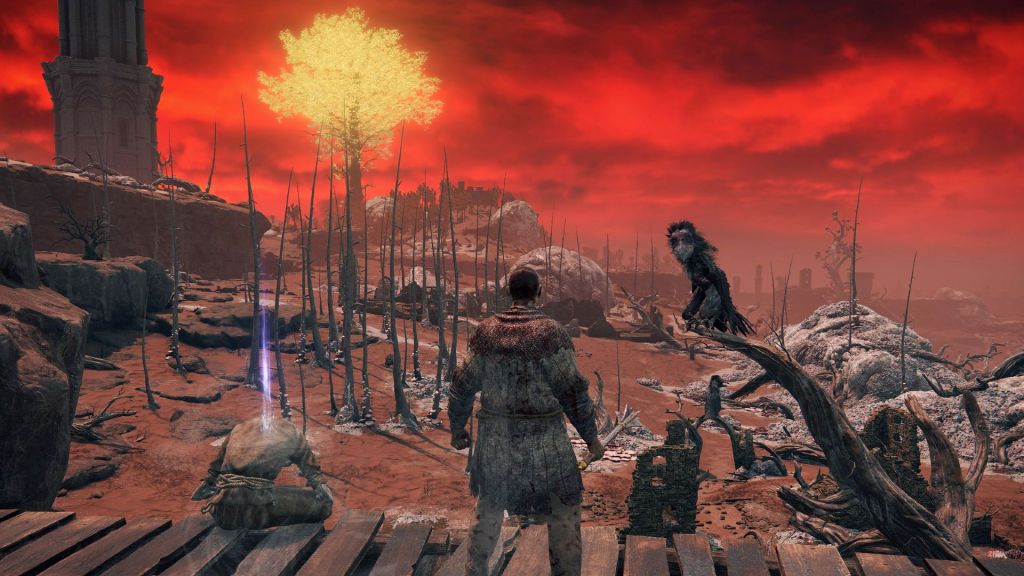
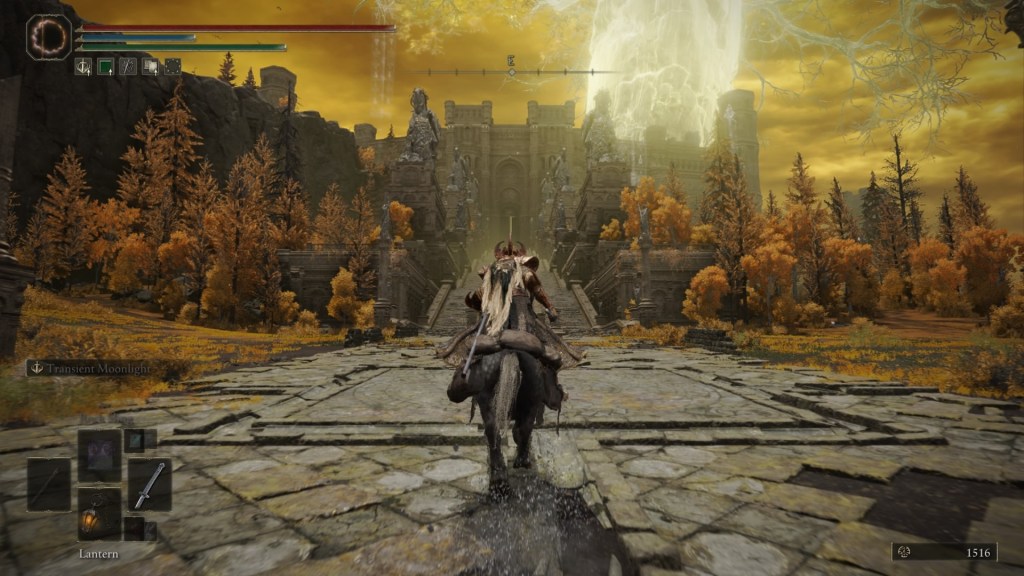
Open worlds always gave me the sense that when I struggle with one objective, I can always pursue another optional objective. Yes, Elden ring was difficult. It’s DLC expansion, even harder but due to the freedom of choice, I knew I can try and get stronger some other way, find a different weapon or stumble upon a new armor set. I had options. I could die a lot on one side of the map, explore another side, die a lot there, come back stronger and conquer the initial part of the map, rinse, repeat, conquer and repeat. This only grew my need to get stronger and finish the game. This game was the push I needed to experience souls-likes. A perfect blend of the things I like in games with the mix of challenging combat. Star Wars Jedi gave me a glimpse of the satisfaction from finishing a souls-like, Elden ring nurtured it and now it has become one of my favourite genres. I knew, however challenging a souls-like game is, the idea that the game can be finished with the added bonus of satisfaction upon victory made dying constantly worth it. Death and resurrection in a rouge-like/lite gives you the knowledge and resources to get stronger and complete a level. Death and resurrection in a souls-like persuades you to persistently try different ways to achieve victory and do so in a rewarding way.
Looking forward
Death and resurrection leading to eventual victory puts a perspective on us as human beings. We play games from any of the two genres mentioned knowing that at any point in the game we will be defeated, knowing that we need to put in work to conquer and knowing that revival also means to face the same challenge again. It’s a great way to make people play that game because the reward at the end of it is greatly satisfying, a way to boast about finishing a game which for any other genre other than these two, may not offer that sense of completion. The death/resurrect cycle becomes so significant of a mechanic that it’s almost something we can look forward to and not frown upon. A tough boss or a convoluted level just poses as a new way to challenge yourself and immerse into the games design. It locks you in, shifts your brain into overdrive. It’s no more a game to sit and wind down with, it’s a new way to be active. I loved experiencing games such as these that really push my mental boundaries. Who knew constantly dying and reviving (in a game of course) could actually be positively exhausting.
These two genres show ways in which death and resurrection occurs differently wherein for one genre, the game fully resets, or you restart at the beginning with resources to get stronger. While the other has you revive at a designated spot while motivating you to try a different approach to defeating an enemy. These are two interesting ways that players experience death and resurrection in games. How does it fare with real world concepts around death and resurrection? We have no clear answer to what happens after death. But I want to explore beliefs to see if death and resurrection mechanics in video games overlap with discourse around the same in the real world.
The offline perspective
We experience death and resurrection in video games through stories or as an expected outcome of game. There is a sense of temporary disappointment when your character dies and a sense of temporary joy when your character revives and you overcome the objective that initially killed you. The feelings satisfaction and dissatisfaction are ways where death and resurrection in a video game instill real world reaction. Imagination, story, art, videos and video games are mediums by which we can perceive different scenarios where you die and revive. How then perceptions and beliefs surrounding death and resurrection exist in the real world? How do some cultures define their existence and purpose yet have and understanding of the afterlife, or what happens when one dies and what form can they take after resurrecting?
The offline or real world understanding around death and resurrection is not a way of critique or superstition but an approach for comparing aspects of video games to real world interpretation of the same. If dying in a video game world can be seen as a means to get stronger, what if the same is believed of the human soul upon death, that the soul carries all experiences to a new body? Or that resurrection is believed to be linked to a person’s characteristics? This is my overthinking noisy brain making up scenarios to compare games and real life. I, however, want to explore this through various studies and anthropological literature surrounding death and resurrection and draw comparisons to rogue-likes/lites and souls-like video games. This comparison may have interesting overlaps or be diametrically opposed yet may reveal aspects that deepen our understanding of how game worlds are a comprehensive experience for video game enthusiasts and those seeking a means to temporarily escape the real world.
Liminality
The constant death and revival, as a character in either of the 2 genres highlight how you as a character constantly switch between 2 different states. While this doesn’t exist in the real world (unless zombies?), we as humans are not always in the same state either mentally, physically or socially. Even in games, dying and reviving changes the character, the armor you wear, your approach to fights, or you swap from a magic to a pure strength character. It’s the “in-between” nature that classical anthropology focusses on as being in a state of liminality (Gluessing, 20165). The changes we make in video games to overcome thresholds or boundaries, to either avoid death or learn from it demonstrate how we as humans experience this constant state of learning from the past and adapting for the future.
Think of your game character as extension of yourself. In some ways, you make subjective decisions leading to certain outcomes. These decisions may not agree with every other player and the game adapts to your choices to a certain degree. I am not referring to narrative choices but more so in terms of how you approach the game. With the 2 genres I focus on here, different people would love to play differently. Your liminal state is a collective of actions and desired outcome. Sounds like real life, doesn’t it? Games use death to indicate a wrong choice or inexperience on part of the player and subsequently offer revival as a chance to adapt. Real life choices, while not using death as a gameplay tool (thank God), pushes us to constantly adapt or make quick decisions when outcomes of our choices are not as expected. Death and resurrection lead to a state of liminality in game and the ups and downs of life keep us liminal in the real world. This makes me feel that video games are an amalgamation of real-world experiences and fantastical, abstract designs.
The more I dived into this, the more was revealed. Some aspects of video games, while not a one-to-one experience with real life, share some curios and intriguing similarities. While the state of being liminal was pretty straight forward and tied to video game mechanics, others seem a little less obvious but ever so interesting.
The afterlife
The afterlife serves as a segue from liminality. After all, when that one tough boss hits you with a spell that is surely about to kill you, your character is in a desperate yet liminal state, whether to die and try again, or attempt to heal back up and continue. In the real world, death due to some unfortunate accident or illness seemingly would mean the end of life for that individual. However, beliefs surrounding life after death may exhibit how deep-rooted cultural norms understand how humans from their liminal state between life and death are destined to exist in an afterlife that is shaped by hopes and cultural/religious beliefs. In the video game world, dying and reviving puts players back in the same scenario but with an altered state of mind. Crossing the boundary of life, transcending into an altered state, or reincarnating back into the world of the living, what better way to compare video game worlds with real world myths and understandings of the afterlife.
Rogue-likes/lites and souls-like games offer players with a chance to live on after death, a chance to do something different or in some cases motivate you to build a completely new character, albeit with the consequence of losing something valuable in the process (items, some loot or progress). Yet it gives players a purpose to continue and live on in the game.
Anthropological discourse around the afterlife explores various ways death is perceived in different cultures and religion. It gives meaning to something irreversible; a body ceasing its ability to live is perceived to have a purpose beyond the physical world, rather than a termination. Let’s explore some more these and discern any similarities with characteristics of the afterlife’s gaming counterpart.
Mummification
Let’s travel back in time to Ancient Egypt and explore the significance of mummification and how Egyptian culture perceives the afterlife.
Every process has a beginning (stating the obvious as usual) and so did mummification. Egypt was a hot place (I did it again) and bodies that were buried in shallow graves were naturally preserved. This was simply because bodies dehydrated by exposure to high temperatures. Overtime, this became an intentional practice and complimented the belief in the afterlife.
Egyptians believed in death as a journey beyond the realm of the physical. The ritual practice made exhumed a strong sense of belief that the individual being mummified leads a life byond the physical world. The field of reeds or the Duat is the realm, beyond the physical where souls of the dead transition into. If you played Assassins creed origins, you know, and have experienced Ubisoft’s representation of the Duat. The body also needs to be recognizable, in a way challenging the process of decay and prolonging preservation of the dead remains. Additionally, as per the ritual, tombs of the deceased were filled with food, personal belonging and anything deemed necessary for the journey to the Duat. The heart of the deceased was essential in preservation. But it stops beating, how would the heart serve in identifying the deceased individual? This is where the strong believe the afterlife, or in this case the field of reeds or Duat comes in.
The Egyptians not only ritualized the preservation of a deceased body but had a strong belief and association with their Gods and how souls are judged by their actions in the afterlife. Not just transitionary but a plane of existence, the Duat ensures that the deeds of the deceased individual are rightfully judged thereby allowing their souls to exist. The idea is that life doesn’t abruptly end, death is the beginning of a new journey. A journey that is influenced by your actions and decisions you make as your physical self, to then have your soul transition into a new plane of existence and experience an afterlife.
In the gaming world, your character accumulates experience based on your actions. Based on either of the genre discussed here, you carry over certain or all your belongings to continue your journey. The afterlife is essentially the game giving you a chance to persist rather than perish (I’m saving this line for future use). While not exactly like the Duat, video game “afterlife” or second chances depict a continuing journey, much like the soul in the afterlife. Everything you have worked for doesn’t have to end abruptly but are rather given a path to try and try again (unless you quit the game forever 🙁).
Reincarnation
If the Duat is a new plane of existence for one’s soul, what about the human body in the physical world? What are the beliefs surrounding someone being, in essence, ‘born again’. Here’s where rogue-like games strike strongly to my mind. The resemblance is uncanny but let’s explore the beliefs surrounding reincarnation first.
The idea of reincarnation seems straightforward at first. A person passes away and is then reborn into the next life. The circle of life. Surely it isn’t just darkness after death, right? Right!?!?. See I can’t even imagine that, and don’t expect anyone to. This is why reincarnation fascinates me. It’s also the most relatable to video game mechanics in my own opinion. You die and respawn, easy peezy. But beliefs around reincarnation may not be as simple.
In south Asian religions, the soul is central to reincarnation. It is what determines the next life. All your experiences, life choices add to your karma which then determines who you reincarnate as in the next life. Sound familiar to rogue-lites doesn’t it?
See, you go through so much in rogue-lite games, only to die and restart with a few resources that you retain. Aha, just like karma, your actions in a rogue-lite determine how much resources you retain for your next try. This means you can play differently, try a new weapon, different strategies. Like being reincarnated, you change but your soul remains. Your experience, your soul, an accumulation of all your actions determining the next stages of life, and in this case, the next stages of the game. But what if there’s an in-between belief. What if your soul doesn’t depart to a new realm and neither it is believed that you resurrect based on your karmic account? Some indigenous cultures like native American and Australian aboriginal communities believe in a spirit world, existing in parallel to the physical world. How does gaming fit in with this? Well, this may be a little more abstract but as with many conversations that are out of the box, just hear me (or read me?) out.
The spirit world
The belief in the spirit world is strongly linked to ancestral land upon which many indigenous communities thrive on. This spirit world is believed not only to coexist with the world of the living bit also interact and influence it through rituals and offerings. Once a person passes away, they are still believed to be around, watching and existing, remembered often by strong memories and association to their land.
How do games fit in with this belief? When I was researching about spirit realms and the influence ancestral spirits are believed to have upon the physical world, my mind drifted into (s it usually does) on one gameplay element adopted in souls-like games, particularly those made by FromSoftware, the developers behind the first ever “souls” game.
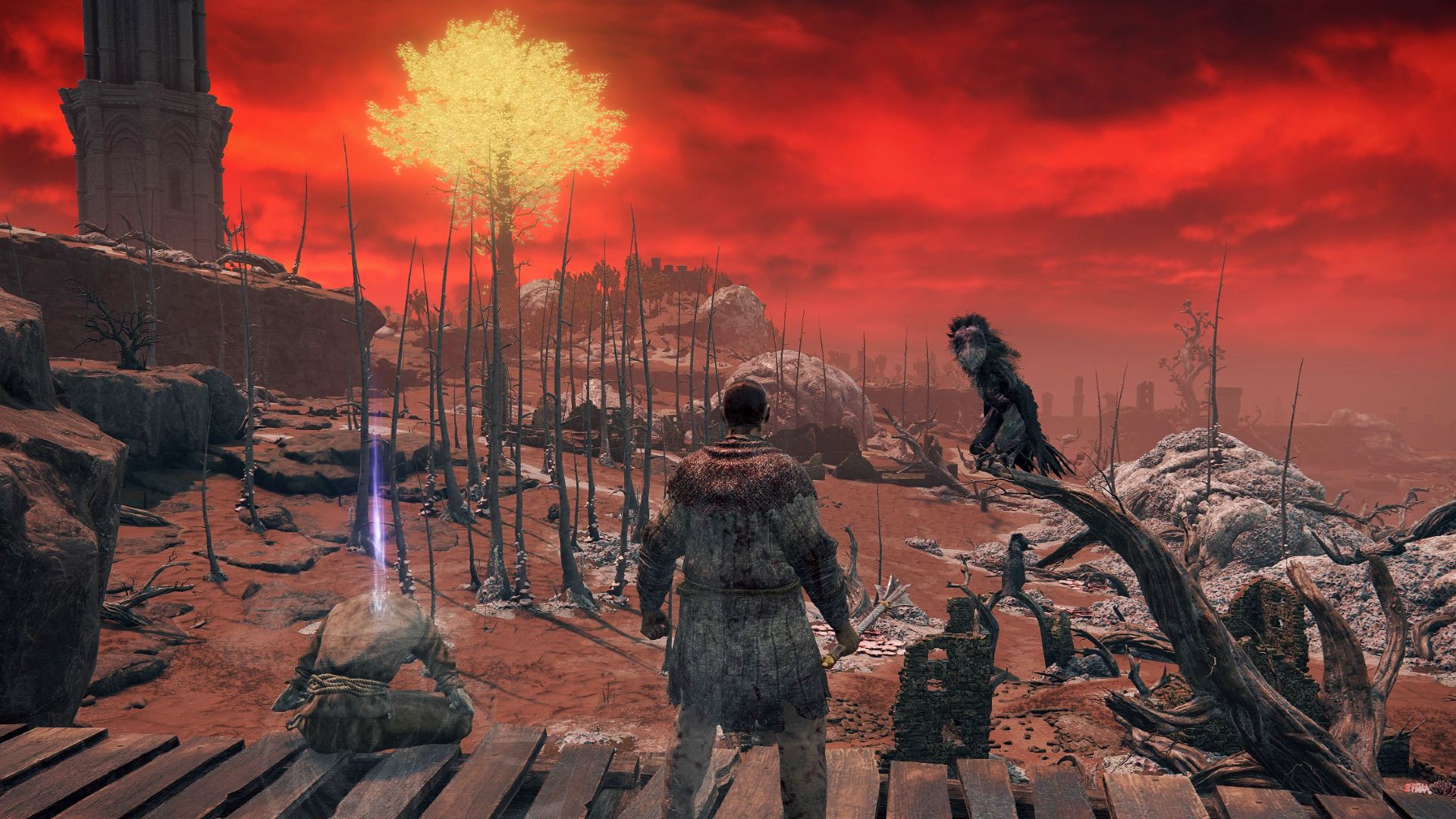
I experienced this gameplay element through one of their recent games, Elden ring (awesome game btw check it out, play it, love it and thank me later). I have touched on various aspects of this game and why I loved it, but I specifically skipped over one fascinating feature just for this part of the article. If connected online, the game allows other players to leave little notes for others. Not only that, but players can also interact with red markings on the floor which when activated shows something akin to a GIF of how another player died on that spot. This is still a single player game but with these two specific features, other players can help, sometimes leave funny messages, or allow give you a glimpse of potential death. Messages themselves are made through words that are pre-selected rather than typing whatever you want. This is done to avoid potential toxicity, but players have gotten creative enough to convey their message effectively. Here are some examples.
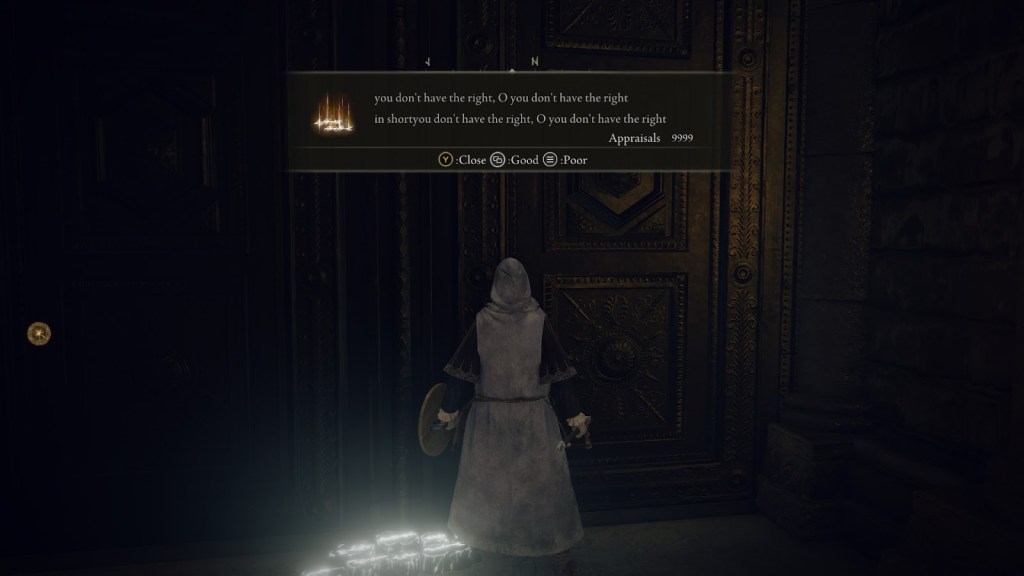
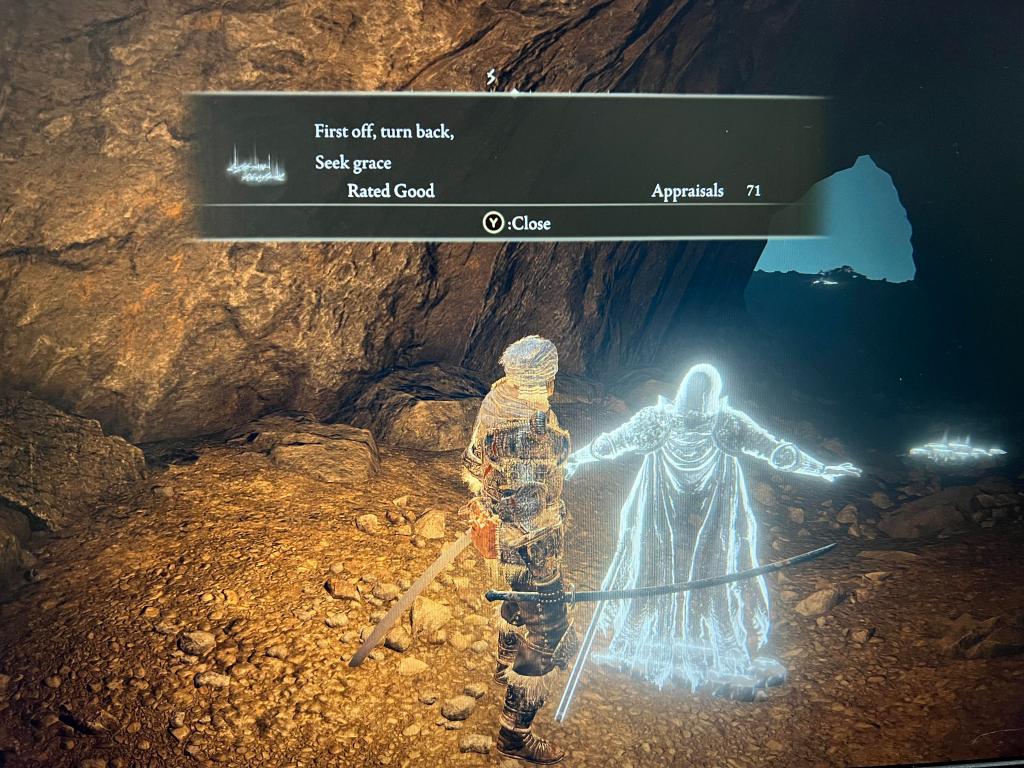
This feature, while not a one-to-one comparison to the spirit world belief, the essence of it just highlights how a gaming world can to some extent, intentionally or unintentionally draw parallels to the real world. It’s a point of fascination for me when video game worlds do things that remind me of some aspect of real life, and I just go…….. huh, that seems familiar.
Conclusion: The end of the cycle
Here we are at the end of my thought train’s station. The end of the rabbit hole of this very specific topic that made me think and spiral into constant” oh yeah” and” this could be interesting” moments. I get it, you may be wondering what the point of this discussion was. For me, it’s fascinating how our minds can be amused and enthralled by video games and their fantastical worlds. I always felt a strong sense of escape when playing various games but never really dived into why it felt so.
Specific games draw inspiration from real world events and that coupled with intriguing art styles and acting make video game experiences visceral. Once a game draws you in, you feel for it, make emotionally driven decisions and sink yourself into its world. Some of these experiences may in fact also align with real world experiences or a desire to explore and tickle your sense of curiosity. This is what motivated me to draw comparisons between video game experiences and the real world. Having played various rogue-lite/lite and souls-like games in the past (and some new ones currently) and how dying and being resurrected is a core part of these games immediately reminded me of some of the beliefs surrounding life and death certain religion and cultures
Again, what was the point you may ask? Games are getting so advanced that even in small, bite sized experiences, can invoke strong feelings and I find it fascinating that you can comfortably sit in front of your PC or console and simply dive into experiences that draw inspiration from real life events and in some cases, they unintentionally may remind you of certain aspects of life. This was my innocent little attempt to simply draw out a fun and intriguing comparison one such aspect. I have more in mind courtesy of my brain that loves to dream up various such gaming related scenarios. As I write more of these real-world vs gaming world style pieces, I indirectly wish to highlight how video games hold a significant relevance to many people and is an art form that goes above and beyond to give their audience an experience that can only otherwise be imagined. For people like me, video games are an experience filled with thought provoking scenarios and virtual worlds that are shaped simply through abstract imagination.
- Brewer, N. (2017). Computerized dungeons and randomly generated worlds: From rogue to Minecraft [scanning our past]. Proceedings of the IEEE, 105(5), 970-977 ↩︎
- Ahn, J. K. (2016). Mechanism of Permanent Death in Rogue-like Games. Journal of Korea Game Society, 16(1), 33-42. ↩︎
- Grieve, C. and Peterson, K. (2025), Roguelike vs. Roguelite: What’s the difference? viewed 6 May 2025, https://screenrant.com/roguelike-roguelite-difference-permadeath-hades-rogue-slay-spire/ ↩︎
- Bycer, J. (2024). Game Design Deep Dive: Soulslike. CRC Press. ↩︎
- Gluesing, J. C. (2016). Liminality, anthropology, and the global organization. Journal of Business Anthropology, 13-34. ↩︎
 The sapient gamer